
Veterinary Clinic Software: What a Vet Clinic or Animal Hospital Really Needs
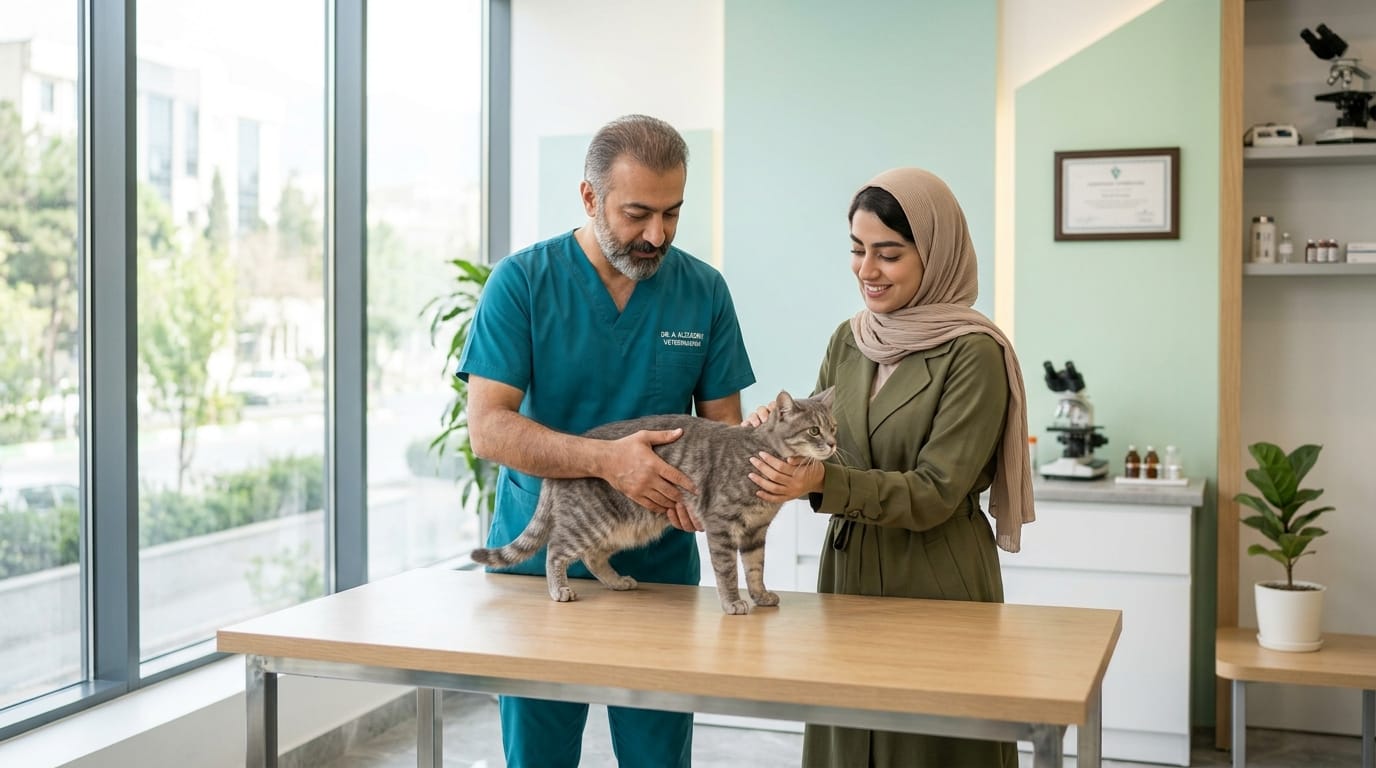
Operationally, a veterinary clinic is a clinic with a few extra complications. The person who talks to you and pays the bill is the owner; the actual patient can't tell you where it hurts; and the shelves of medicines and consumables tie up a large share of the clinic's capital. Choosing veterinary clinic software starts with understanding those differences, not with a feature list.
In this guide we first set out what a vet clinic or animal hospital actually needs. Then we explain honestly which parts FaraERP covers directly today, which it covers through configuration, and which it doesn't have yet.
What makes a vet clinic different?
- The client and the patient are different. Appointments, texts and invoices are in the owner's name; the clinical history belongs to the animal.
- One owner, several animals. A family with two cats and a dog deals with the clinic through a single phone number.
- Vaccination schedules and periodic visits. A steady part of the clinic's work comes from animals returning on time: boosters, parasite control, routine checks.
- Heavy stock of medicines and consumables. Vaccines, fluids, drugs, dressings and sutures, all with expiry dates, some needing storage at a set temperature.
- Emergencies and walk-ins. The day's schedule needs room for the unexpected.
- Planned surgery. Neutering and other procedures take long slots and are best secured with a deposit.
The core needs, one by one
Booking and reception
Give consultations, vaccinations and surgery different slot lengths, and leave room for emergencies. In FaraERP the scheduling policy is set per service and per vet: slot length, buffers, daily caps, allowed channels and holidays. Walk-ins are one of the allowed channels. At reception, one visit can hold several services — a consultation, a vaccination and a nail trim on a single bill, for example — and each service can be priced by the vet's grade.
Deposits for surgery and long appointments
Card-to-card deposits, with receipt upload, AI receipt reading and matching against the bank statement, work in a vet clinic exactly as in any other clinic. The money stays "unverified" until it is matched to the bank, and the accounting voucher is only posted after the cashier confirms. A bank gateway can also be connected.
Medicines and consumables with batch and expiry
This is where most money leaks away quietly: a vaccine that expired in the fridge, or materials used in surgery that never made it onto the bill. Two things are needed: stock tracked by batch and expiry, and consumables linked to services. In FaraERP each service can carry default consumables, the quantity included in its price and the price of extra units. The vet adjusts quantities case by case, extra cost goes onto the bill, and a warehouse request is raised with approval.
Purchasing
Typing in purchase invoices with dozens of lines is slow and error-prone. FaraERP reads purchase invoices with AI — including batch, expiry date, bonus quantities and consumer price — so staff only review and approve, and stock enters the warehouse with the right details.
Cashier and accounting
The cash desk needs to total cash, card-reader and bank-transfer payments separately and reconcile them at the end of the day. FaraERP's reception cashier does exactly that, along with refunds, voids and receipt printing. Accounting starts from a clinic chart-of-accounts template, and a revenue voucher is posted as each service is completed. For a small clinic, the Simple accounting mode keeps things light. HR, payroll and staff attendance live in the same system.
Vaccine reminders and periodic visits
The most effective method is the same habit that works in human clinics: book the next appointment before the owner leaves. In FaraERP you pick the day with ready-made 1, 3 and 6 month options or from the Jalali calendar and see that day's free slots. That appointment then automatically gets a confirmation and a reminder some hours or days before it's due. For post-surgery follow-up, you can define contact days per service — day 1, 3 and 7, say — and record the outcome of each call, a satisfaction score and any complications.
Vaccine storage
If you keep a vaccine fridge, its temperature matters. Where a datalogger device is installed, FaraERP's datalogger module shows live temperature and humidity against minimum and maximum ranges, and the readings appear on the executive dashboard too. To be candid: there is no SMS alert when the temperature leaves its range today, so someone has to check the screen.
How FaraERP covers this today
| Need | In FaraERP today |
|---|---|
| Registering the client | The owner is the registered person, with name, mobile number and national ID or passport |
| Animal details | In the configurable fields of the electronic record, with file and image uploads |
| Booking, SMS and queue | The same features human clinics use, unchanged |
| Reception, cashier and deposits | The same features human clinics use, unchanged |
| Medicines, consumables, purchasing | Stock with batch and expiry; AI purchase-invoice reading |
| Accounting and HR | FaraERP's shared modules |
| Species-specific fields or module | Not built yet |
The animal record: suggested fields
Because FaraERP's electronic record is built from configurable fields, the clinic decides the field list and can set validation rules for each field. A good starting point:
- Animal's name, species and breed
- Sex and neutering status
- Date of birth or approximate age
- Weight
- Colour and markings, and microchip number if there is one
- Vaccination and parasite-control history
- Allergies and current medication
- A photo of the animal and files from previous records
Note that the height, weight, blood type and allergy fields in the admission file itself belong to the registered person — the owner. Record the animal's details in the electronic record so the two never get mixed up. If one owner has several animals, we agree how to record them during setup so it's consistent from day one.
What we don't have today
For a sound decision, you should know these too:
- Species-specific fields and a dedicated veterinary module — a species-based vaccine schedule, for example — have not been built yet.
- Laboratory, imaging and prescribing are not part of FaraERP.
- Hospitalisation, kennels and boarding are not managed; for an animal hospital, FaraERP covers the outpatient side and the financial and administrative back office.
- Pet insurance is not supported.
If any of these is essential for your clinic, tell us; development priorities are set by what clinics actually need.
Being found online
The book.clinicpanel.ir booking marketplace has a veterinary category. A clinic can have its own showcase profile and choose, service by service, what appears in the marketplace; the cost is taken from the clinic's wallet. A dedicated clinic website with services, a blog, FAQs and online booking can also be run on FaraERP's content management system.
In short
More than "specialist software", a vet clinic needs disciplined flows: appointments nobody forgets, consumables that make it onto the bill, medicines that don't expire on the shelf, and money that reconciles with the bank. FaraERP has those flows today and keeps the animal's details in a configurable record. We've also been clear about what isn't there yet, so your decision rests on facts.
Frequently asked questions
Does FaraERP have a dedicated veterinary module?
Not today. Booking, reception, queue, cashier, deposits, stock, purchasing and accounting all work unchanged for a vet clinic, but species-specific fields and a dedicated module haven't been built yet; tell us if you need them.
Where are the animal's details recorded?
The owner is the registered person, and the animal's details — species, breed, age, weight, vaccination history — go into the configurable fields of the electronic record. Files and images can be uploaded too.
How do vaccine reminders work?
The next appointment is booked before the owner leaves, using 1, 3 or 6 month options or the Jalali calendar, and its confirmation and reminder messages are sent automatically.
Is it suitable for an animal hospital with inpatient care?
Hospitalisation, kennels and boarding are not managed today. For an animal hospital, FaraERP covers the outpatient side plus the financial, stock, purchasing, HR and accounting back office.